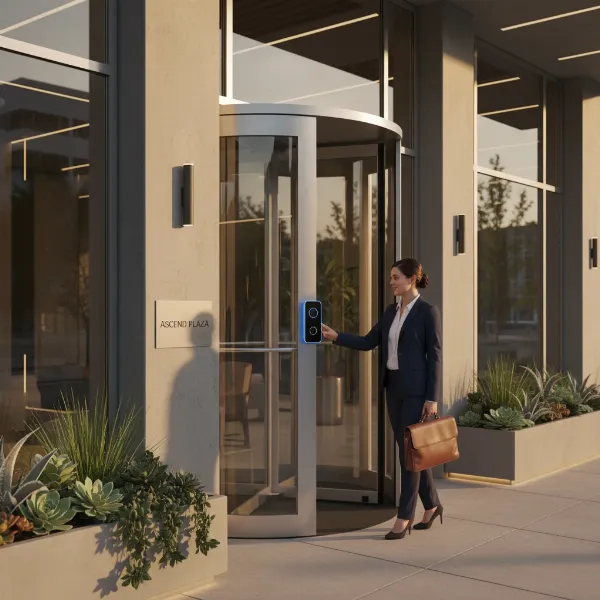
Securing your home effectively often starts right at your front door, and a video doorbell has become an indispensable tool in modern home security. With a myriad of options available, from basic models to advanced devices packed with AI, choosing the right one can be daunting. As an expert with over a decade in the field, I understand that beyond smart features, the true value of a video doorbell lies in its steadfast reliability and resilience. This comprehensive review delves into the critical aspect of durability, examining how these devices withstand the elements, maintain performance over time, and ultimately provide lasting peace of mind for your home.
What is a Video Doorbell?
A video doorbell is an internet-connected device with a camera, microphone, and speaker, designed to replace a traditional doorbell. When someone presses the button or triggers motion sensors, it sends an alert to your smartphone, allowing you to see, hear, and speak to visitors from anywhere. The primary components typically include a high-definition camera with night vision, a two-way audio system, motion detection sensors, and a Wi-Fi module for connectivity. Many models also offer cloud or local storage for recorded footage.
The concept of a video doorbell has evolved significantly since early models emerged in the 2010s. Initially, they offered basic live viewing and recording. Today, advanced devices integrate artificial intelligence for features like facial recognition, package detection, and smart alerts, transforming them from simple communication tools into sophisticated front-line security systems.
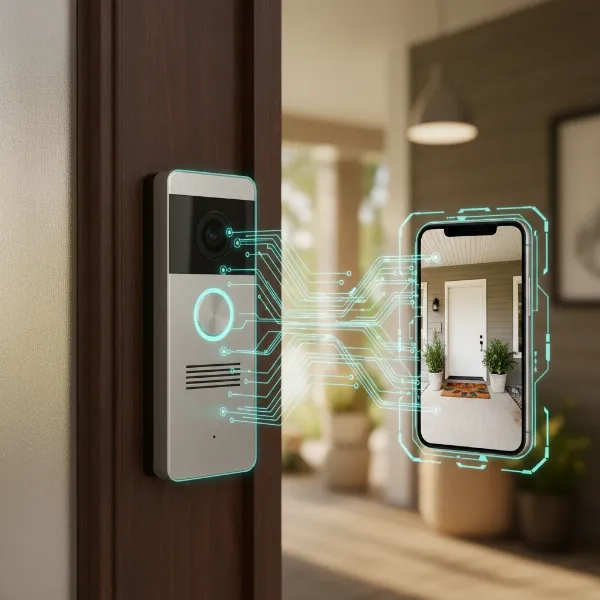 A conceptual image of a modern video doorbell with its key components highlighted, showcasing connectivity to a smartphone for home security monitoring.
Why Choose a Video Doorbell?
The adoption of video doorbells has surged due to the multifaceted benefits they offer, primarily enhancing home security, improving convenience, and providing critical evidence when needed.
Firstly, a video doorbell significantly boosts home security. It acts as a vigilant guardian, continuously monitoring your entryway. Motion detection alerts you to activity, deterring potential intruders who prefer anonymity. Being able to see who is at your door before opening it adds a crucial layer of safety, especially when you’re home alone or expecting deliveries.
Secondly, these devices offer unparalleled convenience. Whether you’re at work, on vacation, or simply in another room, you can interact with visitors, instruct delivery drivers, or check in on your property from anywhere using your smartphone. This eliminates missed deliveries and provides peace of mind that your home is secure even when unoccupied.
Finally, video doorbells are invaluable for recording evidence. In the event of a package theft, attempted break-in, or other incidents, the recorded footage can be a vital resource for law enforcement. The presence of a camera itself can often prevent incidents, but having a clear record of events provides undeniable proof. Effective use cases include monitoring children arriving home from school, verifying visitor identities, and capturing unexpected wildlife visits.
Popular Video Doorbell Types
Video doorbells are broadly categorized by their power source and the advanced features they offer, each presenting unique advantages and disadvantages in terms of installation, functionality, and, crucially, durability.
Power Source: Wired vs. Wireless
- Wired Video Doorbells: These connect to your home’s existing doorbell wiring, drawing continuous power.
- Pros: Offer consistent power, eliminating battery concerns and ensuring “always-on” security. They are generally more resilient to extreme temperatures, as batteries are often the most sensitive component to heat and cold. Many wired models also offer advanced features and faster response times due to constant power. The Ecobee Smart Doorbell Camera, for instance, is built without batteries specifically to handle extreme temperatures.
- Cons: Require existing doorbell wiring and some electrical knowledge for installation. Not suitable for all homes.
- Wireless (Battery-Powered) Video Doorbells: These operate on rechargeable batteries, offering greater installation flexibility.
- Pros: Easy to install as they don’t require existing wiring, making them ideal for renters or homes without traditional doorbell setups.
- Cons: Battery life varies significantly (typically 1-12 months) based on usage, Wi-Fi strength, and environmental conditions. Frequent motion detection and live view usage can drain batteries faster, requiring regular recharging. Extreme cold can severely reduce battery efficiency and even prevent charging to protect the battery from damage. Some battery models might also have less robust construction, such as “flimsy” plastic battery cases on some Ring models, compared to the “solid construction” of Google Nest or Arlo devices.
|
Our Picks for the Best Video doorbell in 2026
As an Amazon Associate I earn from qualifying purchases.
|
||
| Num | Product | Action |
|---|---|---|
| 1 | Ring Battery Doorbell, Home or business security with Head-to-Toe video, Live View with Two-Way Talk, and Motion Detection & Alerts, Satin Nickel |

|
| 2 | eufy Security Video Doorbell, No Subscription, Dual Cameras, 2K FHD,Head-to-Toe View, Doorbell Camera Wireless & Wired, Color Night Vision, Two-Way Talk, AI Motion/Package Detection, Built-in 8GB |
|
| 3 | Ring Video Wired Doorbell (newest model), Home or business security, Two-Way Talk, advanced motion detection, HD camera and real-time alerts to monitor your front door (wiring required) |
|
| 4 | youkey Dual Camera Wireless Video Doorbell — Head-to-Toe View, 2K FHD Battery Doorbell with Local Storage No Monthly Fee, Package Detection, 5Ghz WiFi, Works with Alexa & Google Assistant, DB312 |
|
| 5 | Blink Video Doorbell (newest model) – Head-to-toe HD view, two-year battery life, and simple setup. Sync Module Core included – System (Black) |
|
| 6 | Blink Video Doorbell (newest model) – Head-to-toe HD view, two-year battery life, and simple setup. Required Sync Module not included – Add-On (Black) |
|
| 7 | Ring Battery Doorbell, Home or business security with Head-to-Toe video, Live View with Two-Way Talk, and Motion Detection & Alerts, Venetian Bronze |
|
| 8 | Orbitell 1080p Wireless Wi-Fi Video Doorbell Camera with Two Way Audio, Night Vision, Cloud Storage, Smart AI Motion Detection, Support 2.4GHz Wi-Fi only |
|
| 9 | Arlo Video Doorbell 2K (2nd Gen, Latest Release), Wireless or Wired Option, 2-Way Audio, Night Vision, Head to Toe Video View, Package Detection, Person & Vehicle Recognition, 1-Month Secure Plan |
|
| 10 | Tapo 2K Wireless Smart Video Doorbell with Chime - 160° Ultra-Wide View,Person Detection, Ring Call, 2-Way Audio, Subscription-Free Local Storage/Optional Cloud, Motion Only Alert, D210 |
|
Features: Beyond the Basics
Modern video doorbells come equipped with a range of features that enhance their utility and security capabilities:
- Recording: All video doorbells record footage, typically triggered by motion or a button press. The quality can range from 1080p HD to 2K or even 4K resolution, with some offering HDR and color night vision for clearer images in various lighting conditions.
- Two-Way Talk: Allows you to converse with visitors using your smartphone, similar to an intercom system.
- Motion Detection: Uses sensors to detect movement around your door. Advanced systems offer customizable motion zones to reduce false alerts and distinguish between people, animals, or packages.
- Integrated AI: High-end models incorporate AI for intelligent alerts, such as facial recognition (identifying known individuals), package detection (notifying you when a delivery arrives or is removed), and person detection, which can significantly optimize battery usage by reducing unnecessary recordings.
The choice between these types depends on your home’s infrastructure, desired features, and willingness to manage battery life versus the robust, continuous performance of a wired system.
Comparing Leading Video Doorbell Brands for Durability
When evaluating video doorbells, durability is paramount, especially for devices exposed to outdoor elements. Here’s a comparison of prominent brands focusing on aspects that contribute to their longevity and resilience.
| Brand | Power Source | Typical Durability Features | IP Rating (if specified) | Build Quality Notes (from reviews) | Environmental Resilience |
|---|---|---|---|---|---|
| Ring | Wired & Battery | Wide range of models, including weather-resistant | Varies (often IPX5) | Some battery models noted for “flimsy” plastic battery cases, others for serviceable construction | Batteries affected by extreme cold/heat; wired models more stable |
| Google Nest | Wired & Battery | Robust design, seamless integration | Varies (e.g., IPX4) | Often praised for “solid construction” that “could take more of a beating” | Good performance in various conditions; batteries susceptible to cold |
| Arlo | Wired & Battery | Versatile installation, strong build | Varies (often IP65) | Known for durable build quality, comparable to Google Nest | Designed for outdoor use; good weather resistance. |
| Eufy | Wired & Battery | Waterproof design, local storage, AI | IP65 (for S220, S330) | Models like S330 and S220 are explicitly waterproof and designed to withstand harsh weather | Specifically engineered for high weather resistance, including heavy rain |
| Ecobee | Wired | Battery-free design for extreme temps | Not always specified | “Designed to withstand the test of time for always-on security” | Built to handle “extreme temperatures,” backed by strong warranty |
| Blink | Battery | Affordable, basic weather resistance | Not always specified | Basic quality; more budget-focused | Entry-level weather resistance; battery performance sensitive to conditions. |
Key Observations:
- Wired vs. Battery: Wired doorbells, like the Ecobee Smart Doorbell Camera, often boast superior durability as they don’t rely on batteries which are vulnerable to temperature extremes. This makes them a “reliable view, no matter the weather”.
- IP Ratings: An Ingress Protection (IP) rating is crucial for outdoor durability. An IP65 rating, common for Eufy doorbells, indicates strong resistance against dust and water jets, making them suitable for regions with frequent rain or snow. This level of protection helps ensure functionality in challenging weather.
- Build Quality: Reviewers often highlight the “solid construction” of brands like Google Nest and Arlo, suggesting a greater ability to withstand physical impact and harsh conditions compared to some Ring models with “flimsy” plastic components.
“When it comes to video doorbells, the real test isn’t just about megapixels, but how well that device stands up to a year of scorching sun, freezing rain, and everything in between. Durability is the unsung hero of home security.” – Alex Chen, Lead Product Tester, SecureHome Tech.
How to Select a Durable Video Doorbell
Choosing a video doorbell that will stand the test of time and weather requires careful consideration beyond just smart features. Here’s a buying guide focused on durability:
- Assess Your Environment: Consider the climate of your location. Do you experience heavy rain, snow, extreme heat, or intense direct sunlight? A doorbell facing south in a sunny climate will need better heat resistance, while one in a snowy region needs excellent cold tolerance and moisture protection.
- Determine Your Power Source Preference:
- Wired (Hardwired): If you have existing doorbell wiring, a wired model is often the most durable choice. They offer consistent power, are less affected by temperature fluctuations, and don’t require battery management. The Ecobee Smart Doorbell Camera is an excellent example, designed without batteries to withstand extreme temperatures.
- Wireless (Battery-Powered): If wiring isn’t an option, prioritize models with strong battery management features and good temperature ratings. Be prepared for more frequent charging in harsh weather.
- Check the IP (Ingress Protection) Rating: This is perhaps the most critical indicator of a doorbell’s durability against environmental factors.
- IP65: A common and excellent rating, meaning it’s protected against dust ingress and low-pressure water jets from any direction. Eufy S220 and S330 models often boast this rating, making them ideal for challenging weather conditions.
- Higher IP ratings (e.g., IP66, IP67): Offer even greater protection, especially against powerful water jets or temporary submersion.
- Avoid anything below IPX4 for outdoor use, as it offers minimal protection against splashing water.
- Evaluate Build Quality and Materials: Look for doorbells made from robust, high-quality plastics or metal that feel solid. Some reviews highlight the “solid construction” of brands like Google Nest and Arlo, which can withstand more wear and tear than models with “flimsy” components.
- Consider Operating Temperature Ranges: Manufacturers usually specify the acceptable temperature range. Ensure this aligns with your local climate’s extremes. Very cold temperatures can significantly impact battery performance and prevent charging, shortening the lifespan of battery-powered units.
- Read User Reviews on Long-Term Performance: Beyond initial reviews, seek out user feedback on how the doorbell performs after months or years of use in various weather conditions. Look for comments on battery degradation, material fading, or recurring weather-related malfunctions.
- Review Warranty and Support: A strong warranty (e.g., Ecobee’s industry-leading warranty for its wired doorbell) can be an indicator of manufacturer confidence in product durability. Reliable customer support is also essential for any issues that arise.
By focusing on these durability-centric criteria, you can select a video doorbell that not only offers excellent security features but also reliably protects your home for years to come.
Installation and Maintenance for Longevity
Proper installation and ongoing maintenance are crucial for maximizing the lifespan and durability of your video doorbell. Even the most robust device can fail prematurely if not set up correctly or neglected.
Basic Installation Steps for Enhanced Durability:
- Choose the Right Location:
- Shelter from Direct Elements: If possible, install the doorbell in a location that offers some natural shelter from direct rain, snow, and prolonged sun exposure, such as under an overhang or porch. This reduces stress on the device’s external casing and internal components.
- Optimal Height: Follow manufacturer recommendations for height, typically around 48 inches (1.2 meters) from the ground, ensuring a clear view while remaining accessible.
- Secure Mounting: Use the provided mounting hardware and ensure the doorbell is firmly attached to a stable surface. Loose installations can lead to water ingress or physical damage from strong winds or impacts.
- Wiring (for Wired Models): If installing a wired doorbell, ensure all connections are secure and properly insulated to prevent corrosion and short circuits, which can compromise long-term performance.
- Weatherproofing Seals: Double-check that all seals and gaskets are correctly in place during installation, especially around the wiring and the mounting plate. This is vital for maintaining the device’s IP rating.
Usage and Maintenance Tips for Durability:
- Optimize Battery Settings (for Wireless Models):
- Adjust Motion Sensitivity: Reduce motion sensitivity and customize detection zones to minimize unnecessary recordings and alerts, which are major battery drains. Fewer activations mean longer intervals between charges and less stress on the battery over its lifespan.
- Limit Live View: Frequent or extended use of the live view feature significantly consumes power. Use it judiciously.
- Manage Wi-Fi Strength: A weak Wi-Fi signal forces the doorbell to work harder to maintain connection, leading to faster battery drain. Consider a Wi-Fi extender if your doorbell is far from your router.
- Protect from Extreme Temperatures:
- Cold Weather: In very cold climates, battery efficiency significantly drops, and charging may be disabled below freezing to prevent permanent battery damage (lithium plating). If possible, consider a wired doorbell or a battery model designed for cold weather with passive heating elements. For battery models, bringing them indoors to charge in a warm environment is recommended.
- Hot Weather: Extreme heat can also accelerate battery degradation and impact device performance. Shading the doorbell from direct, intense sunlight can help.
- Regular Cleaning: Periodically clean the camera lens and surrounding casing with a soft, damp cloth to remove dust, dirt, spiderwebs, and water spots. This ensures clear video quality and prevents debris buildup that could affect sensors or seals. Avoid harsh chemicals.
- Firmware Updates: Always keep your doorbell’s firmware updated. Manufacturers often release updates that improve performance, security, and sometimes even optimize power management, contributing to overall longevity.
By following these installation and maintenance guidelines, you can ensure your video doorbell remains a reliable and durable component of your home security system for many years.
Important Considerations for Video Doorbell Use
While enhancing home security, video doorbells also bring forth important considerations regarding personal privacy and ongoing device management. Addressing these aspects ensures responsible and effective use of your smart device.
Privacy and Legal Compliance
Using a video doorbell involves recording public and private spaces, which can intersect with privacy concerns and legal regulations.
- Respecting Neighbors’ Privacy: Be mindful of your camera’s field of view. Aim it primarily at your property and entryway, avoiding extensive coverage of neighboring properties or public sidewalks if unnecessary. Some doorbells allow you to set privacy zones to black out specific areas from recording.
- Legal Compliance: Laws regarding video surveillance vary by region. Generally, recording public areas is permissible, but there are nuances around audio recording and the expectation of privacy in certain spaces. Familiarize yourself with local ordinances concerning home security cameras to ensure compliance. It’s often recommended to place a visible sign indicating that video surveillance is in operation.
- Data Security: Your video doorbell records sensitive footage. Ensure you use strong, unique passwords for your Wi-Fi network and doorbell app. Enable two-factor authentication whenever available. Choose brands that prioritize robust encryption and offer secure cloud storage options to protect your data from unauthorized access.
Device Maintenance and Longevity
Beyond basic cleaning and battery management, consider these for long-term device health:
- Firmware and Software Updates: Regularly updating your doorbell’s software is crucial. These updates often include security patches, performance enhancements, and new features. Outdated software can leave your device vulnerable to security threats and may lead to performance issues.
- Subscription Services: Many video doorbells require a subscription for full functionality, especially for cloud video storage, advanced AI features, and extended warranties. Factor this ongoing cost into your budget, as continuous access to these services is often integral to the device’s security utility.
- Hardware Lifespan: While designed for durability, no electronic device lasts forever. Be aware of the typical lifespan of smart home devices (often 3-7 years, depending on brand and exposure). Factors like continuous exposure to harsh weather and frequent battery cycles can contribute to wear and tear. Having an understanding of potential replacement cycles can help in planning for future upgrades.
By proactively addressing privacy implications and committing to ongoing maintenance and security practices, you can enjoy the full benefits of your video doorbell responsibly and ensure its reliable operation for years to come.
Conclusion
In the evolving landscape of home security, a video doorbell stands as a crucial first line of defense, offering both vigilance and convenience. While innovative features and crisp video quality are often highlighted, the enduring value of a video doorbell truly hinges on its durability. As we’ve explored, factors like robust build quality, suitable IP ratings for weather resistance, and efficient power management – particularly for battery-powered units susceptible to temperature extremes – are paramount for a device that consistently delivers security, day in and day out.
Choosing a wired model or a battery-powered one with excellent IP ratings and a solid construction, like those praised from Google Nest, Arlo, or Eufy with IP65, will ensure your investment can withstand your local climate. Coupled with strategic installation and regular maintenance, your video doorbell will not only perform its security functions flawlessly but also offer long-term peace of mind without constant worries about replacements or weather-related malfunctions.
What aspects of video doorbell durability are most important to you when securing your home?
Frequently Asked Questions
What does an IP rating mean for a video doorbell’s durability?
An IP (Ingress Protection) rating indicates a device’s resistance to dust and water. For video doorbells, an IP65 rating is common and signifies protection against dust and low-pressure water jets, making it suitable for outdoor use in various weather conditions like rain and snow.
How do extreme temperatures affect video doorbell battery life?
Extreme cold significantly reduces battery efficiency, causing them to drain faster and potentially preventing charging to avoid damage like lithium plating. Extreme heat can also accelerate battery degradation over time, impacting the overall lifespan of battery-powered video doorbells.
Are wired video doorbells more durable than battery-powered ones?
Generally, wired video doorbells tend to be more durable in the long run, especially concerning temperature extremes. They draw continuous power, eliminating battery-related issues and often having internal components that are less susceptible to environmental fluctuations, leading to “always-on” reliability.
What maintenance can prolong my video doorbell’s lifespan?
Regular maintenance includes cleaning the camera lens and casing to prevent debris buildup, ensuring secure mounting, and applying firmware updates for optimal performance and security patches. For battery models, optimizing motion settings and managing Wi-Fi strength helps extend battery life between charges.
Do all video doorbells offer local storage for recorded video?
No, not all video doorbells offer local storage. Many rely on cloud storage, which often requires a subscription for access to recorded footage and advanced features. Some brands, like Eufy and Lorex, do offer local storage options via an SD card or a home base, providing more control over your data.
How important is the material quality of a video doorbell’s casing?
Material quality is highly important for durability. High-quality plastics and robust construction, often seen in brands like Google Nest and Arlo, can withstand physical impacts and prolonged exposure to elements better than devices with “flimsy” or less substantial casings.
Can I install a video doorbell myself, and does it affect durability?
Many battery-powered video doorbells are designed for DIY installation. Wired models require basic electrical knowledge. Proper installation, ensuring secure mounting and correct weatherproofing, is crucial for durability, regardless of who installs it, to protect against water ingress and physical damage.