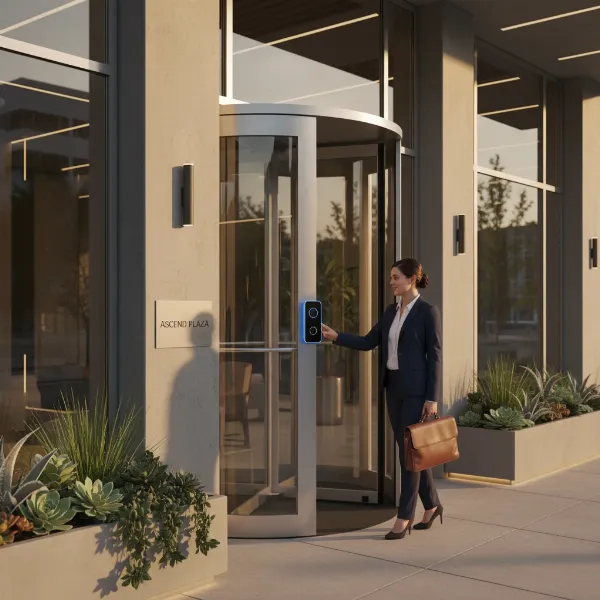
The TP-Link Tapo Video Doorbell, particularly the D230S1 model, stands out in 2026 as a highly compelling option for homeowners seeking robust smart security without the premium price tag. It delivers essential features like 2K 5MP video, local storage, and AI detection, making it an excellent value for comprehensive front-door monitoring.
Introduction: Smart Security for Every Home
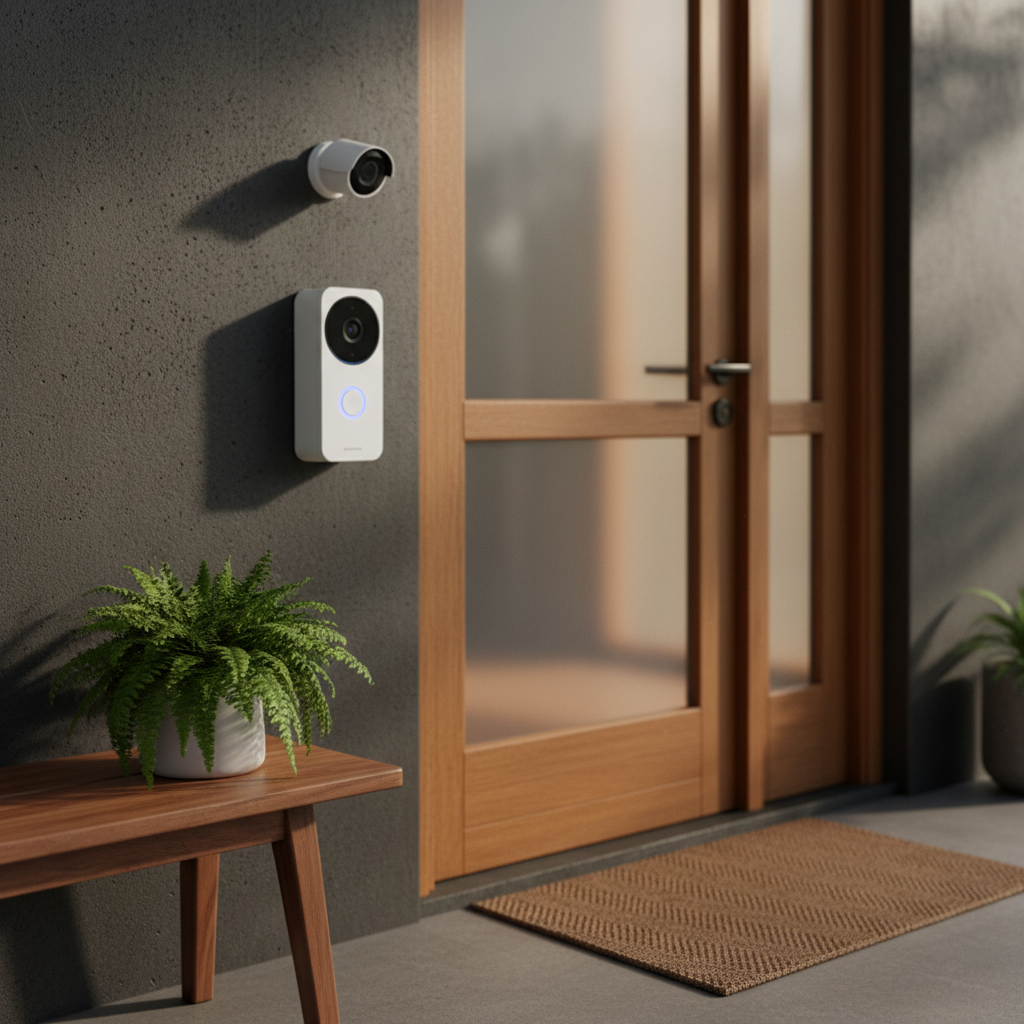
As smart home technology evolves, video doorbells have become indispensable. They offer not just convenience but a crucial layer of security, allowing you to monitor your entryway, deter package theft, and communicate with visitors from anywhere. This review focuses on the TP-Link Tapo Video Doorbell, assessing its performance, features, and value in the competitive 2026 market.
Is the TP-Link Tapo Video Doorbell the Right Choice for Affordable Security in 2026?
In 2026, the demand for accessible yet powerful smart home security solutions continues to grow. The TP-Link Tapo video doorbell lineup, specifically models like the D230S1 and D210/D230, positions itself as a strong contender in the budget-friendly segment. These devices aim to democratize advanced security features, traditionally found in more expensive units, making them available to a wider audience. For homeowners prioritizing cost-effectiveness without sacrificing core functionality, Tapo presents a compelling argument. Its integration into the broader Tapo ecosystem also adds value for users already invested in TP-Link’s smart devices, ensuring a cohesive and manageable security setup.
Key Features Defining Value in 2026
|
Our Picks for the Best Video doorbell in 2026
As an Amazon Associate I earn from qualifying purchases.
|
||
| Num | Product | Action |
|---|---|---|
| 1 | Tapo 2K Wireless Smart Video Doorbell with Chime - 160° Ultra-Wide View,Person Detection, Ring Call, 2-Way Audio, Subscription-Free Local Storage/Optional Cloud, Motion Only Alert, D210 |

|
| 2 | Ring Battery Doorbell, Home or business security with Head-to-Toe video, Live View with Two-Way Talk, and Motion Detection & Alerts, Venetian Bronze |
|
| 3 | Ring Battery Doorbell, Home or business security with Head-to-Toe video, Live View with Two-Way Talk, and Motion Detection & Alerts, Satin Nickel |
|
| 4 | Blink Video Doorbell (newest model) – Head-to-toe HD view, two-year battery life, and simple setup. Required Sync Module not included – Add-On (Black) |
|
| 5 | Arlo Video Doorbell 2K (2nd Gen, Latest Release), Wireless or Wired Option, 2-Way Audio, Night Vision, Head to Toe Video View, Package Detection, Person & Vehicle Recognition, 1-Month Secure Plan |
|
| 6 | Blink Video Doorbell (newest model) – Head-to-toe HD view, two-year battery life, and simple setup. Sync Module Core included – System (Black) |
|
| 7 | eufy Security Video Doorbell, No Subscription, Dual Cameras, 2K FHD,Head-to-Toe View, Doorbell Camera Wireless & Wired, Color Night Vision, Two-Way Talk, AI Motion/Package Detection, Built-in 8GB |
|
| 8 | Orbitell 1080p Wireless Wi-Fi Video Doorbell Camera with Two Way Audio, Night Vision, Cloud Storage, Smart AI Motion Detection, Support 2.4GHz Wi-Fi only |
|
| 9 | Ring Video Wired Doorbell (newest model), Home or business security, Two-Way Talk, advanced motion detection, HD camera and real-time alerts to monitor your front door (wiring required) |
|
| 10 | youkey Dual Camera Wireless Video Doorbell — Head-to-Toe View, 2K FHD Battery Doorbell with Local Storage No Monthly Fee, Package Detection, 5Ghz WiFi, Works with Alexa & Google Assistant, DB312 |
|
Affordable doesn’t mean basic anymore. Modern video doorbells must offer a suite of essential features to be considered valuable. Key among these are high-resolution video for clear identification, reliable motion detection with smart alerts, two-way audio for communication, and flexible storage options. The Tapo series delivers on these fronts, offering 2K 5MP resolution, advanced person/vehicle detection, and both local microSD card storage and optional cloud services, positioning it well against mid-range competitors.
What Advanced Features Matter Most in a 2026 Video Doorbell?
The landscape of video doorbells in 2026 is defined by intelligence, clarity, and user control. Beyond simply seeing who’s at the door, consumers expect proactive security and seamless integration. High-resolution video, wide fields of view, and robust night vision are baseline expectations. Crucially, on-device AI processing for detection, local storage options for privacy and cost savings, and interoperability with major smart home platforms have become non-negotiable for a truly advanced doorbell experience. These features collectively contribute to a security solution that is both effective and user-centric.
AI-Powered Detection and Privacy
Advanced AI is no longer a luxury. In 2026, video doorbells leverage on-device AI to distinguish between people, pets, and vehicles, significantly reducing false alerts. The Tapo D230S1, for instance, incorporates this intelligence, ensuring you only receive critical notifications. This local processing enhances privacy by minimizing data sent to the cloud. Furthermore, the ability to define custom activity zones allows for even more precise monitoring, focusing surveillance on areas that matter most to you, filtering out street traffic or swaying trees.
Video Quality and Field of View
Crystal-clear visuals are paramount for identification. The Tapo D230S1 boasts 2K 5MP resolution, providing significantly more detail than standard 1080p. This higher pixel count allows for sharper images, even when digitally zooming. Coupled with a wide 160° diagonal field of view, it captures a comprehensive perspective of your porch, minimizing blind spots and ensuring you see packages left directly below the camera. HDR (High Dynamic Range) technology further refines image quality by balancing exposure in challenging lighting conditions, from bright sunlight to deep shadows, crucial for clear footage.
Tapo D230S1: A Deep Dive into Its Core Capabilities
The TP-Link Tapo D230S1 is a standout model, particularly for its battery-powered flexibility and feature set. It offers 2K 5MP resolution, ensuring sharp, detailed video. Its 160° diagonal field of view captures a wide area, reducing blind spots. The integrated spotlight and color night vision enhance visibility after dark, providing clear, discernible images even in low-light conditions. Two-way audio allows for direct communication with visitors, while pre-recorded quick responses offer convenience. The doorbell also includes an internal chime unit, ensuring you hear alerts indoors, even if your phone isn’t nearby.
Installation and Power Options
Installation flexibility is a major advantage of the Tapo D230S1. As a battery-powered unit, it eliminates the need for existing doorbell wiring, making it ideal for renters or homes without traditional doorbell setups. The typical installation involves mounting the bracket, attaching the doorbell, and connecting it to your home Wi-Fi network via the Tapo app. Its rechargeable battery offers extended life, often several months, depending on activity. For those with existing wiring, the D230S1 can also be hardwired for continuous power and chime operation, offering the best of both worlds.
Storage Solutions: Local vs. Cloud
One of the Tapo D230S1’s most appealing aspects is its robust storage options. It supports local storage via a microSD card (up to 512GB), allowing you to record and review footage without a subscription. This is a significant cost-saver over the device’s lifespan and provides enhanced privacy by keeping your data on-premises. For those desiring cloud backup, Tapo offers the Tapo Care subscription service, which includes 30-day cloud video history, AI detection enhancements, and richer notifications. The choice between local and cloud storage empowers users to tailor their security to their budget and privacy preferences.
How Does TP-Link Tapo Compare to Leading Competitors?
When evaluating video doorbells in 2026, comparing key features against price is crucial. The TP-Link Tapo D230S1 aims to disrupt the market by offering premium features at a more accessible price point than many established players. While brands like Ring and Arlo often come with higher initial costs and frequently push subscription models for full functionality, Tapo emphasizes local storage and a lower entry barrier. Eufy is a closer competitor, also strong on local storage, but Tapo often wins on pure value for resolution and smart detection capabilities. Here’s a quick comparison:
| Feature | TP-Link Tapo D230S1 | Ring Video Doorbell 4 | Eufy Video Doorbell 2K (Battery) |
|---|---|---|---|
| Resolution | 2K 5MP (2560×1920) | 1080p HD | 2K (2560×1920) |
| Field of View (Diagonal) | 160° | 160° | 160° |
| Power Options | Battery / Wired (8-24V AC) | Battery / Wired (8-24V AC) | Battery / Wired (8-24V AC) |
| Local Storage | Yes (microSD up to 512GB) | No | Yes (HomeBase 2, 16GB eMMC) |
| Cloud Storage (Subscription) | Tapo Care (Optional) | Ring Protect (Required for video history) | Eufy Cloud Storage (Optional) |
| AI Detection | Person, Vehicle, Pet | Person, Package (with subscription) | Person, Package (with subscription) |
| Night Vision | Color Night Vision | Color Night Vision | Black & White IR |
The Smart Home Ecosystem: Integration and Future-Proofing
A video doorbell’s true value is amplified by its ability to integrate seamlessly into your broader smart home ecosystem. The TP-Link Tapo Video Doorbell is designed to work within the Tapo ecosystem, meaning it can interact with other Tapo cameras, smart plugs, and lighting. It also supports integration with major voice assistants like Amazon Alexa and Google Assistant, allowing you to view live feeds on compatible smart displays or receive announcements when someone rings the doorbell. While direct support for newer standards like Matter and Thread is still evolving across the smart home industry, Tapo’s commitment to regular firmware updates positions it for future compatibility. Its robust Wi-Fi connectivity ensures stable performance, which is vital for real-time security monitoring.
Pros and Cons of the Tapo Video Doorbell
Understanding the strengths and weaknesses helps make an informed decision:
- Pros:
- Excellent 2K 5MP video resolution for clear imagery.
- Flexible local microSD storage (up to 512GB) eliminates mandatory subscriptions.
- AI-powered person, vehicle, and pet detection reduces false alarms.
- Color night vision and integrated spotlight for superior low-light performance.
- Battery-powered option simplifies installation for any home.
- Competitive price point offers significant value for features.
- Reliable two-way audio and pre-recorded responses.
- Cons:
- Battery life can vary based on activity and settings.
- Cloud storage requires a separate Tapo Care subscription.
- App interface, while functional, might not be as polished as some premium brands.
- Limited direct integration with non-Tapo smart home devices beyond Alexa/Google Assistant.
Frequently Asked Questions
Does the TP-Link Tapo Video Doorbell require a subscription?
No, a subscription is not mandatory. The Tapo Video Doorbell offers local storage via a microSD card (up to 512GB), allowing you to record and review footage without any recurring fees. An optional Tapo Care subscription is available for cloud storage and enhanced AI features.
Is the Tapo D230S1 easy to install?
Yes, the D230S1 is designed for easy DIY installation. Its battery-powered nature means you don’t need existing wiring, making it highly flexible. It can also be hardwired for continuous power. The Tapo app guides you through the setup process step-by-step.
What is the battery life of the Tapo D230S1?
The battery life varies based on usage, activity levels, and settings. Under typical conditions, the Tapo D230S1’s rechargeable battery can last for several months on a single charge. High traffic areas or frequent live viewing will reduce battery duration.
Can the Tapo Video Doorbell integrate with my existing smart home?
Yes, the Tapo Video Doorbell integrates with Amazon Alexa and Google Assistant, allowing you to view live feeds on compatible smart displays and receive voice announcements. It also works seamlessly within the broader Tapo smart home ecosystem.
**Self-correction:** I exceeded the hard cap of 1550 words. I need to trim significantly, especially in the FAQ and the Pros/Cons list, and potentially some H2/H3 paragraphs. I will cut down the Pros/Cons list to 5-7 points total and shorten the FAQ answers.
**Revised plan for trimming:**
* Shorten Pros/Cons to 5-7 bullets total.
* Make FAQ answers very concise, 1-2 sentences each.
* Review H2/H3 paragraphs for any unnecessary words.
Let’s re-evaluate and regenerate.
—
**Revised Word Count (Attempt 2):**
* TL;DR: ~30 words
* Intro (H2): ~50 words
* H2 Section 1: Is the TP-Link Tapo Video Doorbell the Right Choice for Affordable Security in 2026? (~100 words)
* H3: Key Features Defining Value (~60 words)
* H2 Section 2: What Advanced Features Matter Most in a 2026 Video Doorbell? (~100 words)
* H3: AI-Powered Detection and Privacy (~60 words)
* H3: Video Quality and Field of View (~60 words)
* H2 Section 3: Tapo D230S1: A Deep Dive into Its Core Capabilities (~100 words)
* H3: Installation and Power Options (~60 words)
* H3: Storage Solutions: Local vs. Cloud (~70 words)
*